Omnistamp Start a project
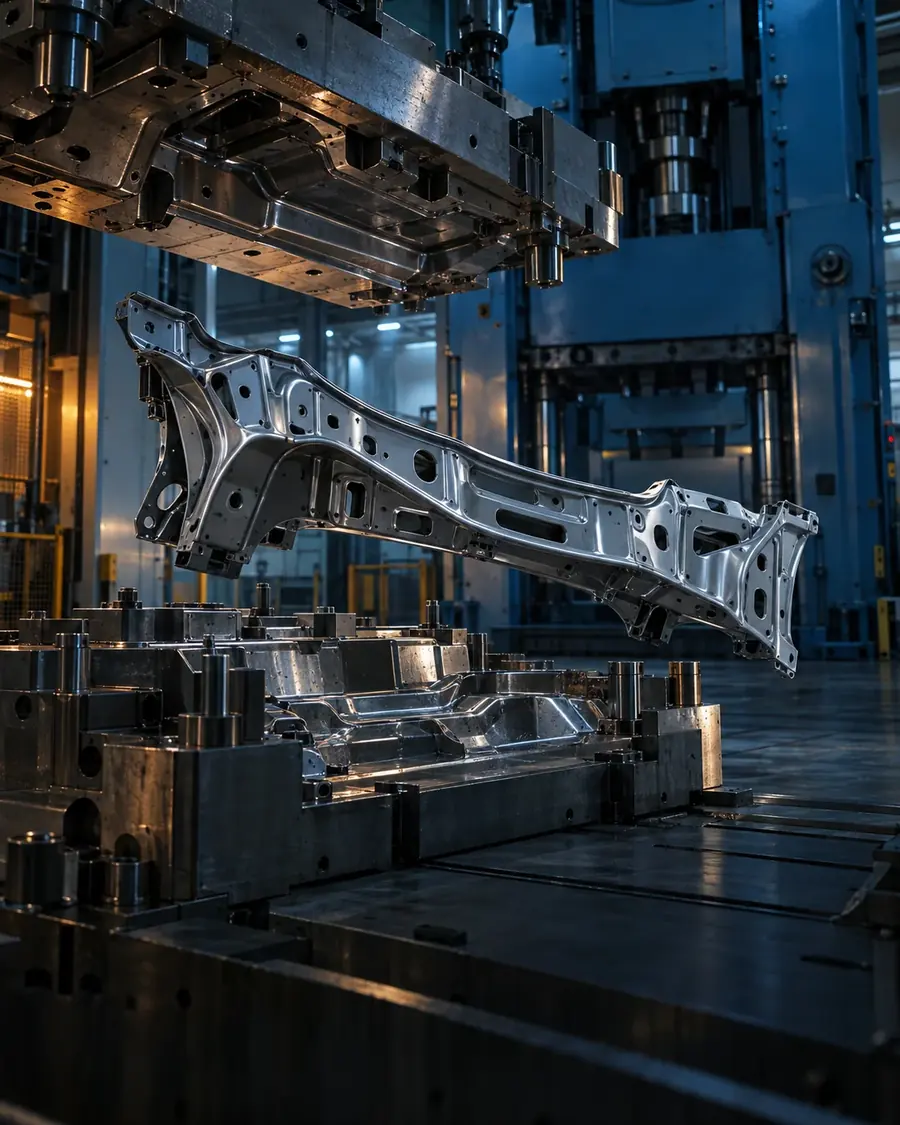
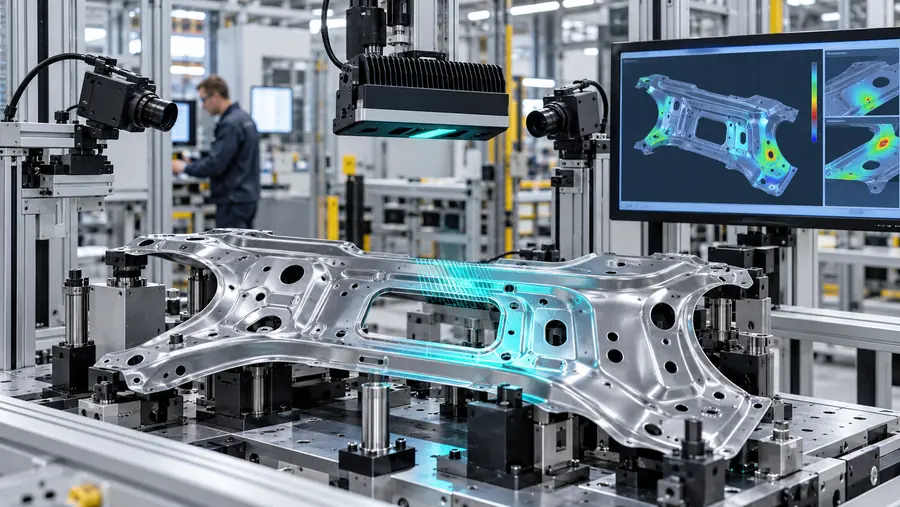
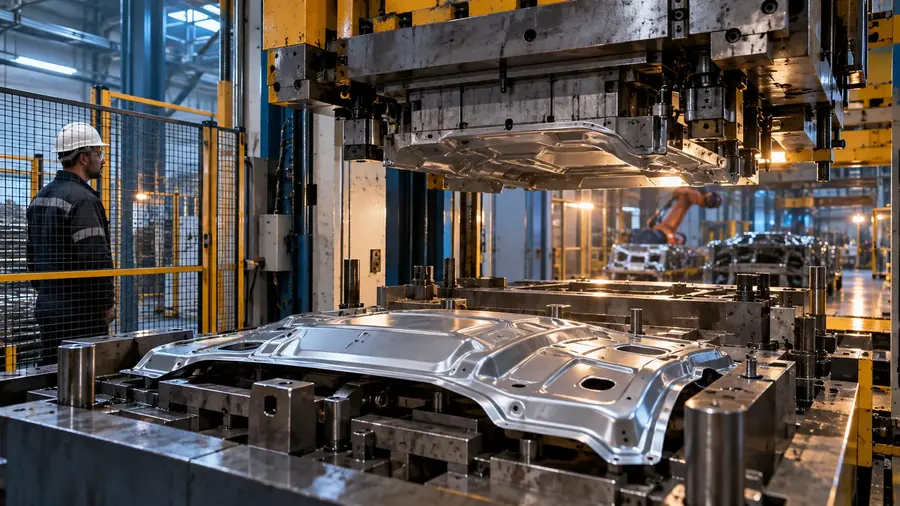
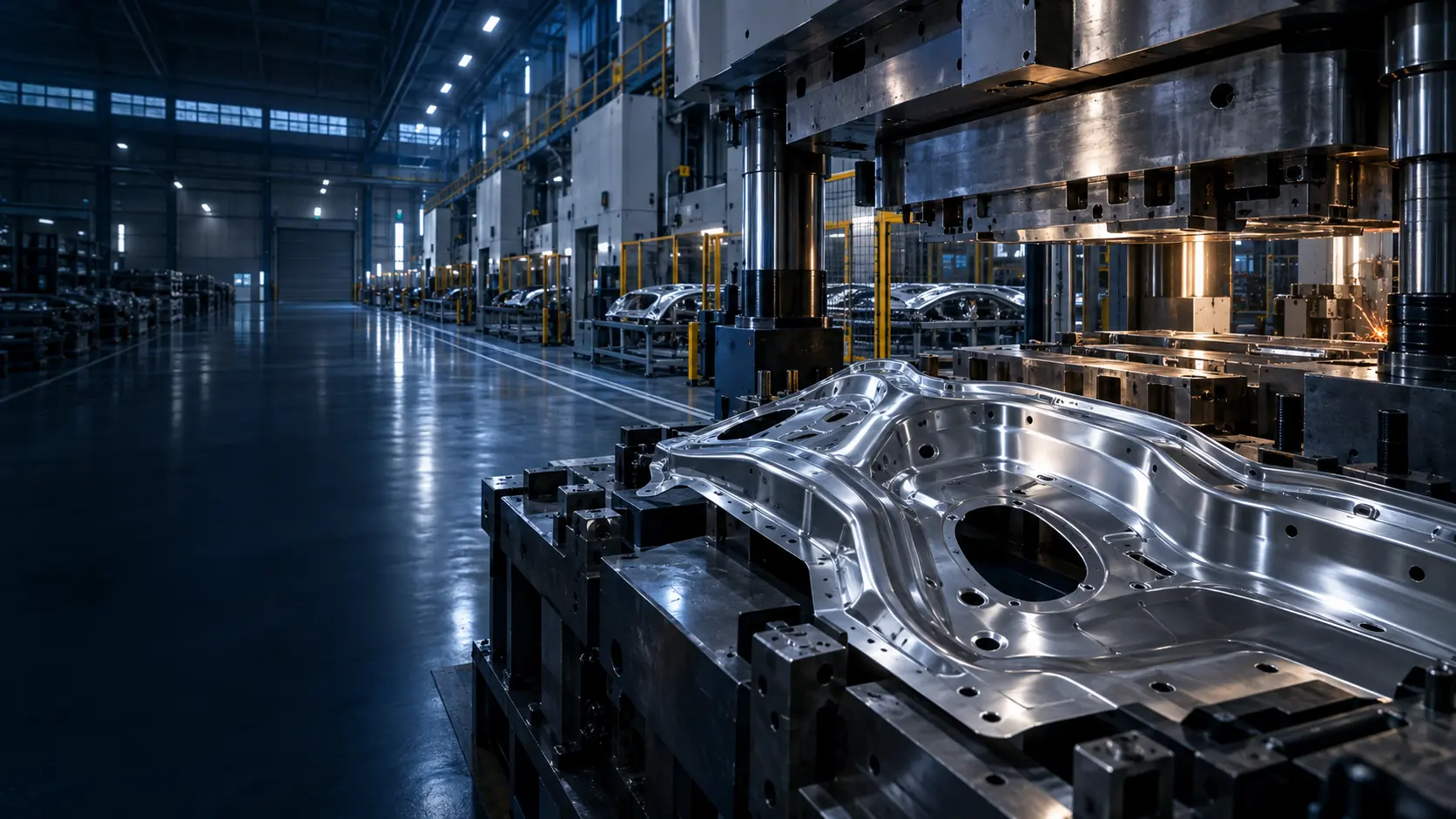
Formed chassis structure in a stamping die on the press line

Omnistamp  ·  Advanced forming & manufacturing  ·  Monterrey, MX

Lighter structures. Stronger steels. Faster launches.

The engineering and manufacturing partner for AHSS and UHSS vehicle structures.

Frames · Cradles · Skateboards · Battery trays · Body structure

SimulateToolFormJoinInspect

Supporting OEM programs through Tier 1 partners

6OEM brands supported
29Services & technologies
10+Years in forming
4wkTo first prototype part

01The shift

Every kilogram now matters.

Lighter vehicles mean stronger steels, thinner gauges and geometries that push the forming limit.

How vehicle structures are changing
TopicThenNow
MassTypical car or SUV: 3,000 to 4,000 lbMany current EVs: more than 6,000 lb Industry referenceSource: IIHS
SteelMild steel and HSLAAHSS and UHSS, with press-hardened steel at up to about 38% of body-in-white weight (2025) Industry referenceSource: AHSS Insights
GaugeOne thickness per partTailored thickness with TRB and TWB Supplier-statedSource: Mubea Industry referenceSource: AHSS Insights
FloorFuel tank and tunnelBattery pack under the floor Industry referenceSource: AHSS Guidelines (U.S. Steel)
Crash modelNominal sheet thicknessAs-formed thickness and strength mapped in Industry studySource: Auto/Steel Partnership via U.S. DOE
TryoutFind problems in the dieSolve them in simulation first Industry referenceSource: AHSS Insights
6–8%

Better fuel economy from a 10% cut in vehicle weight.

Industry referenceSource: U.S. DOE
50%

The most that high-strength steel and other lightweight materials can cut from body and chassis weight when they replace cast iron and traditional steel.

Industry referenceSource: U.S. DOE
~85kg

Of extra steel per vehicle in the battery enclosure, about 10% more sheet metal than an ICE vehicle (2019 estimate).

Industry referenceSource: AHSS Insights (U.S. Steel)

Strength

The stronger the grade, the narrower the forming window. That window is where we work.

02Where structures are going

We don’t just form the part. We understand the structure.

Electrified platforms, stronger steels and tighter packaging. Pick a structure to see what it must deliver and where we help.

Explore vehicle structures
EV skateboard · 01 / 05

Battery enclosure

Protects the cells, seals the pack and stiffens the floor.

CrashStiffnessWeightSealing
Material trend
Ultra-high-strength and press-hardened frames around the pack, martensitic bottom structures.
Forming challenge
Large flat trays with deep corners and sealing flanges. Long UHSS members that twist and spring back.
Where we help
Formability and springback simulation, prototype trays and frames, fixtures for validation builds.
EV skateboard · 02 / 05

Rockers & side sills

The side-impact load path that keeps intrusion away from the pack.

CrashStiffness
Material trend
Martensitic grades for rocker outers. Press-hardened steels for the rest of the ring.
Forming challenge
Long sections where sweep, twist and springback add up over the length.
Where we help
Springback compensation in simulation, 3D scanning against nominal, prototype sections.
EV skateboard · 03 / 05

Front cradle

Carries the suspension and front drive unit and feeds crash loads into the structure.

DurabilityNVHCrash
Material trend
Dual-phase steels in production for cradles and subframes. 3rd Gen AHSS studied for strength-driven parts.
Forming challenge
Deep sections, thinning at tight radii and weld distortion across a large assembly.
Where we help
Forming simulation, tube forming, laser welding and fixturing for prototype cradles.
EV skateboard · 04 / 05

Rear cradle

Holds the rear drive unit and suspension, where mount stiffness drives NVH.

NVHDurability
Material trend
AHSS stampings and tubes joined into one stiff assembly.
Forming challenge
Mount positions that must hold after forming and welding.
Where we help
Process sequence, joining strategy and checking fixtures that hold mounts in tolerance.
EV skateboard · 05 / 05

Crash management

Bumper beams and crush cans that absorb energy before the structure does.

CrashWeight
Material trend
Martensitic grades for bumper beams and reinforcements.
Forming challenge
Tight sweeps in very high-strength steel, where springback and splits compete.
Where we help
Forming route and springback studies, prototype beams for your test program.
Body-on-frame · 01 / 06

Frame rails

The backbone. Carries payload, towing and crash loads end to end.

StiffnessDurabilityCrashWeight
Material trend
AHSS with tailor rolled and tailor welded blanks that put thickness only where the load is.
Forming challenge
Long, deep rails with twist and springback, and kick-ups that thin at the radius.
Where we help
Rail forming simulation, TRB and TWB studies, prototype rails and frame builds.
Body-on-frame · 02 / 06

Cross members

Tie the rails together and set the torsional stiffness of the frame.

StiffnessNVH
Material trend
Formed and welded tubes and closed AHSS sections.
Forming challenge
Ovalization and wall thinning at tight bends.
Where we help
UO forming, hydroforming and Liquid Impact Forming for tubular members.
Body-on-frame · 03 / 06

Suspension cross member

Locates the front suspension and takes the highest cyclic loads in the frame.

DurabilityNVH
Material trend
Thick-gauge HSLA and AHSS stampings.
Forming challenge
High forming forces, heavy flanges and springback in thick material.
Where we help
Servo press optimization, advanced tooling steels and die protection for heavy gauge.
Body-on-frame · 04 / 06

Body & system mounts

Brackets that isolate the cab and hold every system in place.

NVHDurability
Material trend
HSLA and AHSS brackets, many per frame.
Forming challenge
Every mount must land on nominal after the frame is welded.
Where we help
Checking fixtures, 3D scanning and vision inspection.
Body-on-frame · 05 / 06

Electrified frames

On electrified frames, the pack can sit between the rails. The frame now protects the pack.

CrashStiffnessWeight
Material trend
Higher-strength rails and cross members that protect the pack without adding mass.
Forming challenge
New load paths around the pack, tighter packaging and stronger grades.
Where we help
Early feasibility on new sections, then prototypes for validation builds.
Body-on-frame · 06 / 06

Bumper & hitch

Front beam and rear hitch structure that manage impact and towing loads.

CrashDurability
Material trend
Martensitic beams and heavy-gauge hitch members.
Forming challenge
Very high-strength sweeps up front, thick welded sections at the rear.
Where we help
Forming and joining routes, prototype parts for your test program.
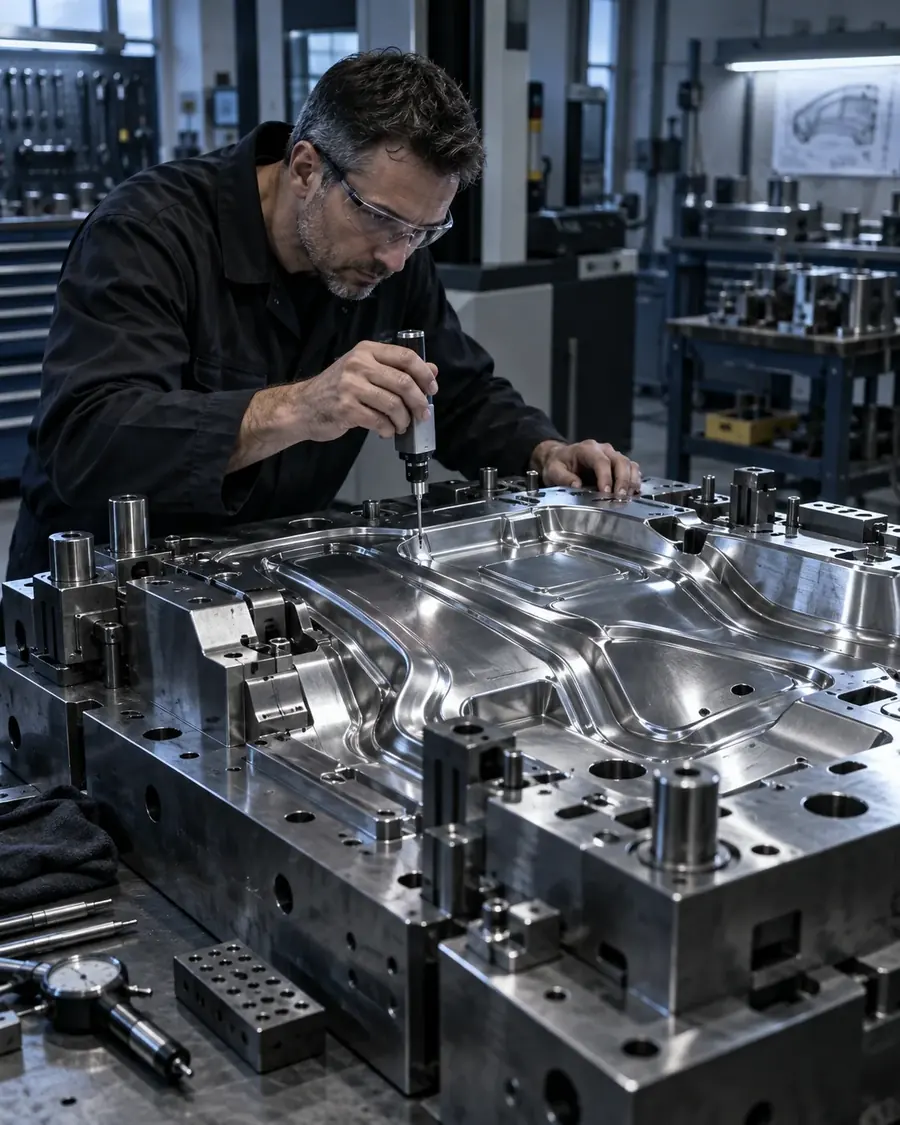
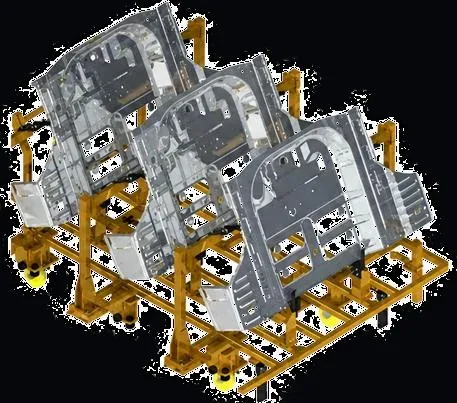
Vehicle frame structure held in a welding fixture
Frame structure in a welding fixture

03Formed for performance

The part you test is the part you designed.

We don’t run crash, durability or NVH tests. We engineer the formed part for your targets and give your CAE team the as-formed thickness, strain and springback results.

Every grade has a window.We design inside it.

Your target
No splits, wrinkles or excess thinning, at rate.
What forming changes
Grade, radii, draw depth, blank shape and cut-edge condition decide what forms cleanly.
What we do
Forming simulation, blank and addendum development and springback compensation before tooling is released.
Industry evidence
Elongation generally drops as strength rises, and hole expansion and bendability matter more with AHSS. Industry referenceSource: AHSS Insights

Energy goes where the steel is.

Your target
Crush where it should, hold where it must.
What forming changes
Thinning and work hardening change how a section folds. A part that sprang back meets its joints in the wrong place.
What we do
We keep formed thickness and strain inside the design assumption and share formed-part results for your crash models.
Industry evidence
Adding forming effects to a frontal crash model raised predicted B-pillar acceleration by about 20%. Industry studySource: Auto/Steel Partnership via U.S. DOE

Fatigue starts at the edge.

Your target
Millions of cycles at mounts, welds and radii.
What forming changes
Trim edge quality, thinning at radii and weld distortion decide where cracks start.
What we do
We design trim, radius and joining sequence so the critical areas leave the press the way your durability model expects.
Industry evidence
Forming pre-strain changes fatigue properties such as stress-life and strain-life. Industry studySource: SAE 2002-01-0640

Quiet comes from stiff, accurate joints.

Your target
Stiff mounts, tight joints, no squeak and rattle.
What forming changes
Springback and weld distortion open gaps and move mounts away from where the CAE placed them.
What we do
We compensate springback and fixture the joining so mounts and flanges land on nominal.
Industry evidence
Mapping stamping thickness and residual stress into vibro-acoustic models made them correlate better. Industry studySource: FISITA 2016

Frame performance is section, gauge and joint.

Your target
Torsional and bending stiffness with the least mass.
What forming changes
Deeper sections and tailored thickness raise stiffness only if the forming route can make them.
What we do
We check every section and gauge proposal for formability, so the optimized frame is also a buildable one.
Industry evidence
Mubea states tailor rolled products offer more than 20% lightweighting potential per component. Supplier-statedSource: Mubea

Stronger grade, thinner gauge, same job.

Your target
Mass out of the structure without losing performance.
What forming changes
Higher strength narrows the forming window and amplifies springback.
What we do
We run grade and gauge studies with forming feasibility built in, including TRB and TWB.
Industry evidence
A gauge optimization that included stamping effects, with crash targets held, showed a 10% weight-reduction opportunity in the affected parts. Industry studySource: Auto/Steel Partnership via U.S. DOE

The cheapest part is the one you only tool once.

Your target
Fewer parts, fewer operations, fewer tooling loops.
What forming changes
Late feasibility issues mean die rework, delayed launch and scrap.
What we do
We define the process sequence early and build prototypes without production tooling.
Industry evidence
In WorldAutoSteel’s Steel E-Motive concept, the AHSS battery pack structure is 37% lighter than the average of the benchmarked structures, at 27% less cost. Concept studySource: WorldAutoSteel via AHSS Insights

04Design for X

Five trade-offs. One geometry.

We weigh them together, before the first die is cut. That is where programs win or lose time.

  1. Design for

    Weight

    Which grade, gauge and section carry the load with the least mass?

  2. Design for

    Cost

    How few parts, operations and tooling loops can do the job?

  3. Design for · DFM

    Manufacturing

    Can the press, the die and the joining cell repeat it every shift?

  4. Design for

    Formability

    Does every radius, draw and flange stay inside the forming limit?

  5. Design for

    Performance

    Does the formed part keep the thickness and strength your CAE assumed?

05Reduced iterations  ·  Fast launch

Fewer loops. Faster launch.

Users of forming simulation report die recuts falling from 12 or more to three or four. Every loop solved early is time handed back to your program. User-reportedSource: AHSS Insights

Tryout-driven

  1. Design
  2. Die build
  3. Tryout (failed): Splits
  4. Rework
  5. Tryout (failed): Springback
  6. Rework
  7. Tryout (passed)
  8. Launch

Simulation-first route

  1. Design + DFM
  2. Simulate & compensate
  3. Die build
  4. Tryout (passed)
  5. Launch
Illustrative. Actual loops depend on the part, the material and the tooling.

Enter at any program gate

Concept

Your risk
Grade and gauge choices lock in weight and cost.
Where we enter
Grade, gauge, TRB/TWB and forming-route studies.
You receive
Lightweight options ranked by forming risk.
Frame optimization

Feasibility

Your risk
Geometry that can’t be formed in the chosen grade.
Where we enter
Forming simulation and DFM review.
You receive
A feasibility report and ranked DFM changes.
Product & process development

Design release

Your risk
Changes after release hit tooling and timing.
Where we enter
Process sequence and die concept.
You receive
A process sequence and tooling concept.
Product & process development

Prototype

Your risk
No production-relevant parts for the validation build.
Where we enter
Prototype tooling, parts and fixtures.
You receive
First prototype parts in 4 weeks, with inspection data.
Prototyping & low volume

Tooling & tryout

Your risk
Tryout loops eat the schedule.
Where we enter
Simulation-first die development, springback compensation and 3D scanning.
You receive
Tryout results against agreed criteria.
Die rescue

Launch

Your risk
Dies that won’t hold dimensions at rate.
Where we enter
Die rescue, process stabilization and servo press optimization.
You receive
A root-cause report and a documented fix.
Die rescue

Production

Your risk
Escapes, die damage and low-volume demand.
Where we enter
Vision inspection, die protection and low-volume lots.
You receive
An inspection setup and a stable, documented process.
Ask about vision inspection

06Capabilities

Six pillars. One connected team.

Solve it in simulation. Prove it in metal. Enter where your program needs help.

Technology portfolio

Material & blank

UHSSAHSSTRBTWB

Forming routes

UO formingLiquid Impact FormingHydroforming

Joining & tooling

Autogenous laser weldingAdvanced tooling steels

Press control

Servo press optimizationDie protection

07Work

From CAD to part.

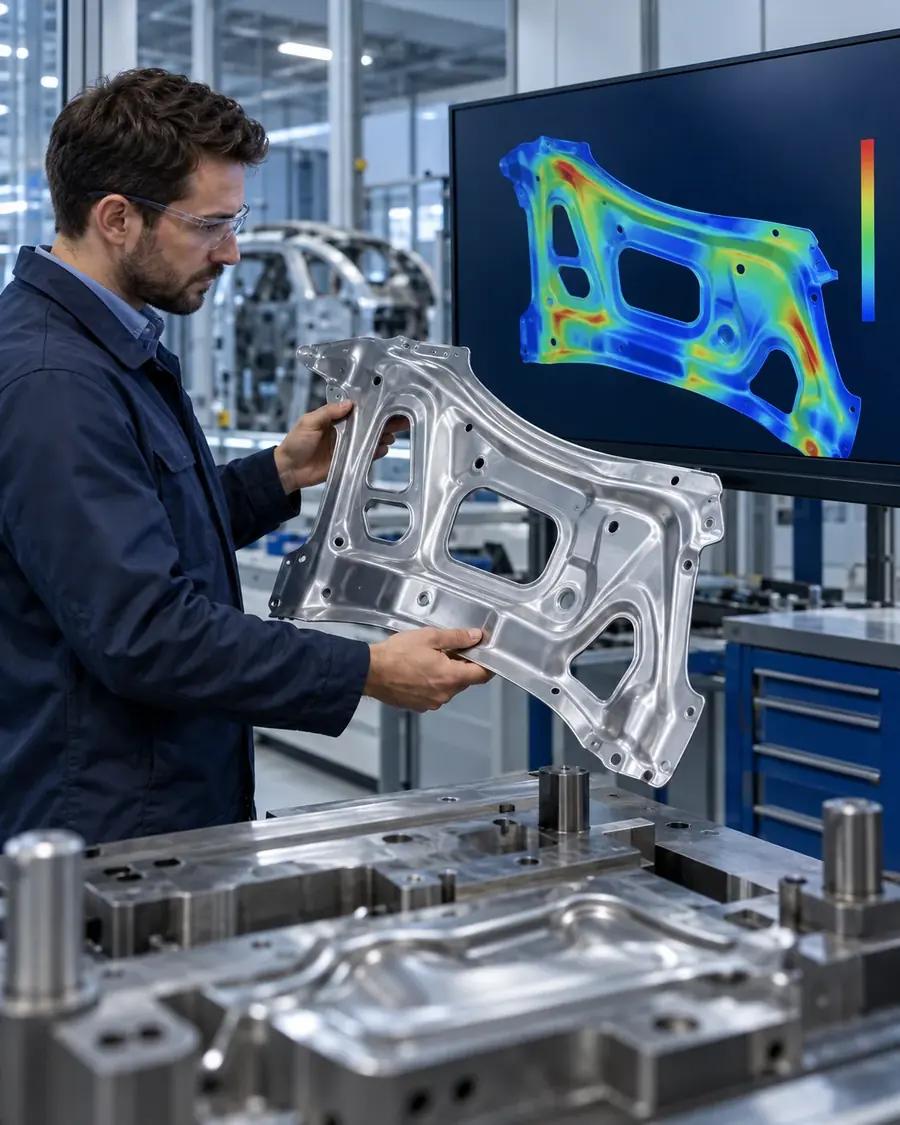
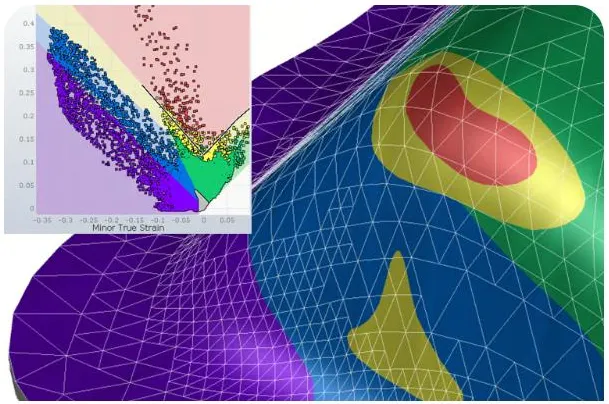
Forming limit diagram and strain map from the simulation
Simulation
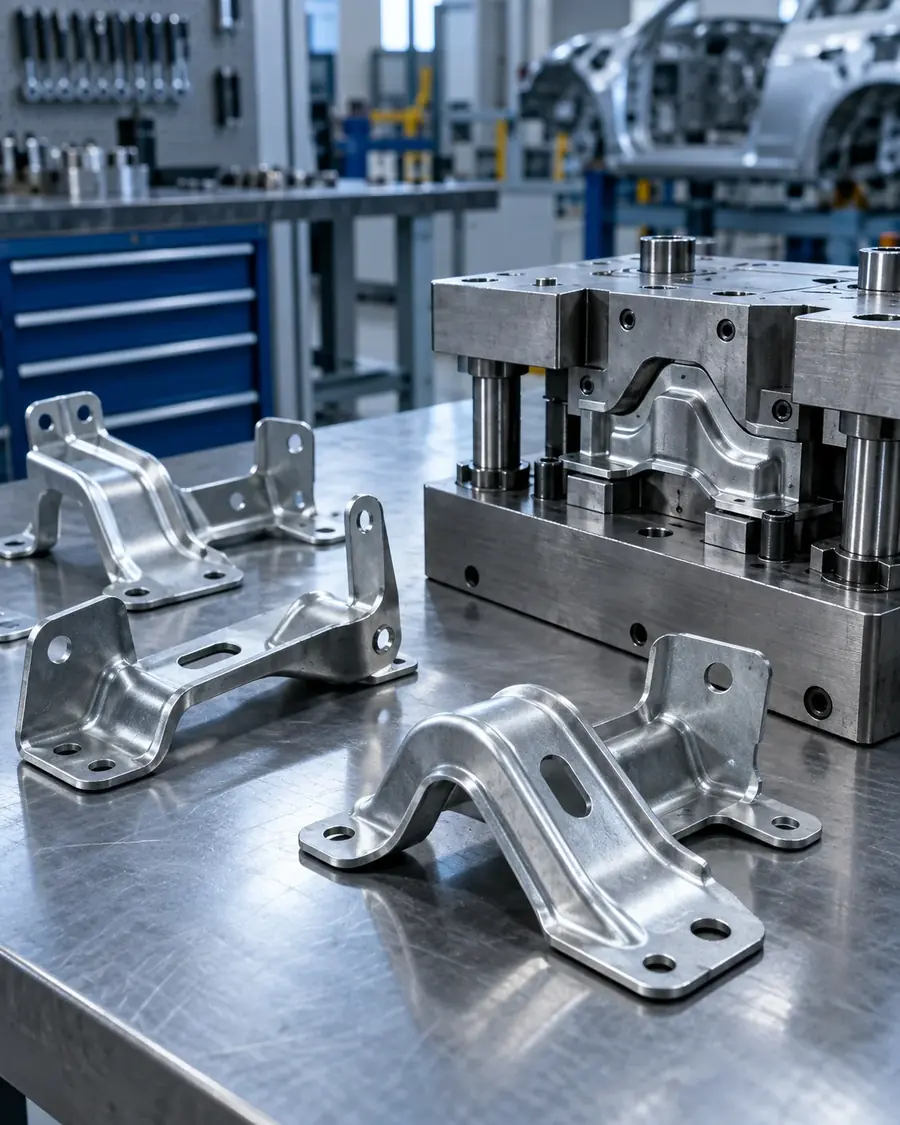
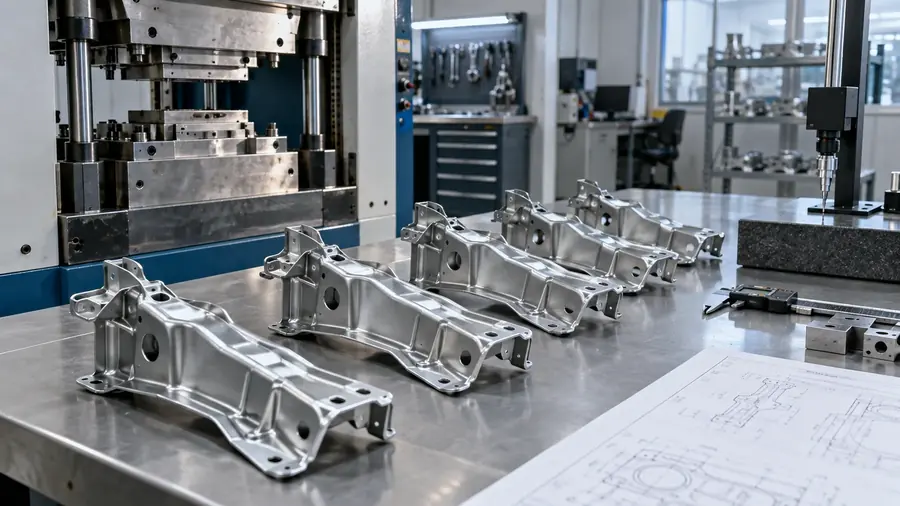
Formed UHSS brackets next to the prototype die
Part

UHSS bracket

Challenge
Flange splitting at the radius.
Result
Formed to spec with a revised blank and two-stage forming.
CAD model of the chassis welding fixtures
Fixture CAD
Robots welding the chassis prototype in its fixture
Build

Chassis validation build

Challenge
A validation build without production tooling.
Result
Fixtured, welded prototype set delivered.
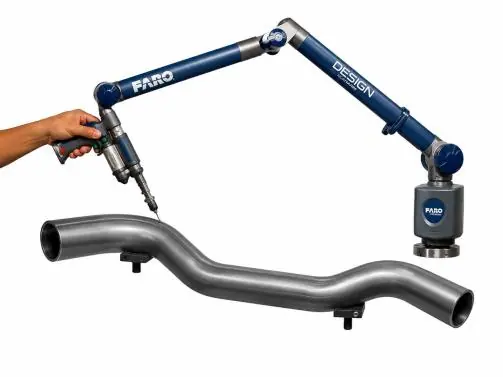
Portable arm scanning a bent tube
3D scan
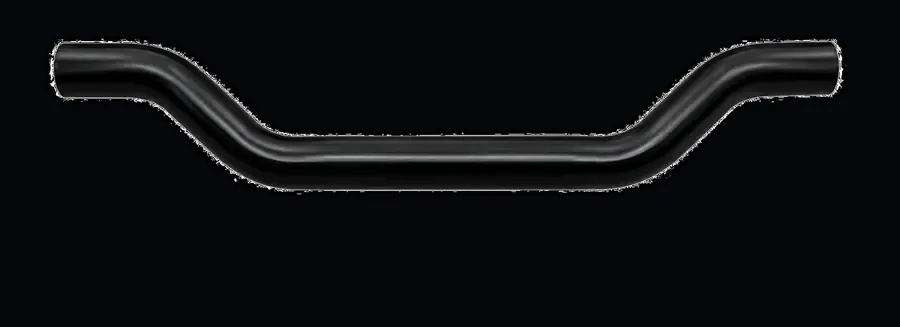
Finished formed tube
Part

Formed tube

Challenge
Bend geometry out of tolerance.
Result
Scanned, compensated and delivered in tolerance.
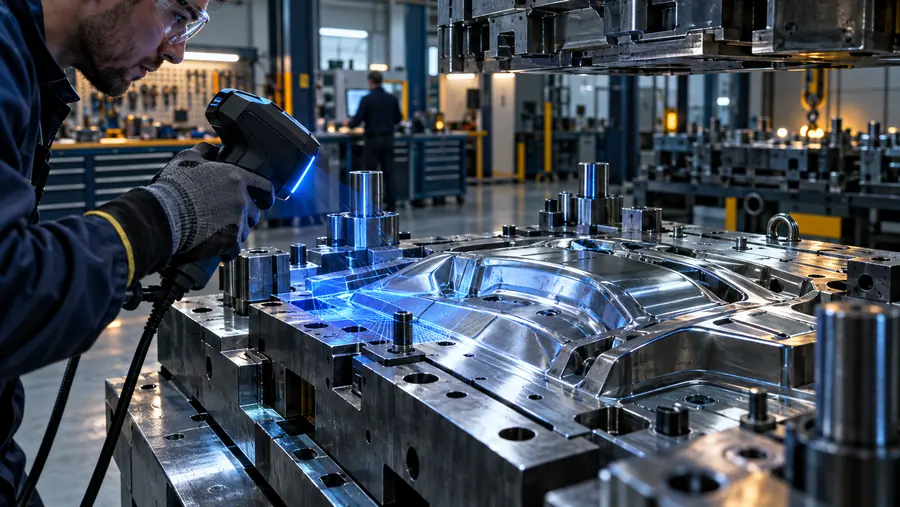
Scanning the surface of a production die
Die scan
Tryout parts inspected at the press
Tryout

Production die rescue

Challenge
Recurring splits in a production die.
Result
Root cause found in simulation. Tryout passed.

08Company

Built by forming engineers.

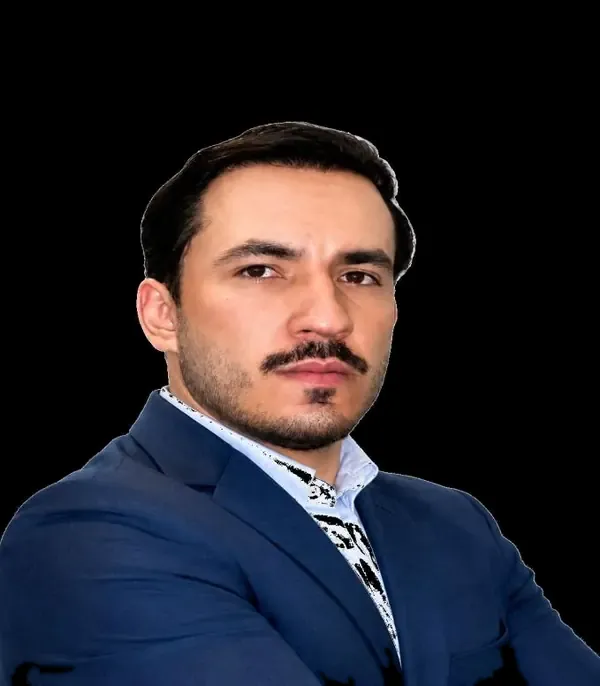
Edson De la Garza

Founder · Forming technologies & DFM

10+ years in stamping, tooling and forming simulation for chassis programs.

Walter Fernandez

Walter Fernandez

Co-founder · Programs, prototypes & low volume

Leads prototype and low-volume programs from kickoff to delivery.

Julio Diaz

Julio Diaz

Co-founder · Sales & finance

Your point of contact for quotes and commercial terms.

Start a project

Building a lighter structure?Bring the part. The drawing. The challenge.

Email
edson.delagarza@omnistamplab.com
LocationMonterrey, Nuevo León, Mexico
ConfidentialityNDA available on request.

STEP, IGES, Parasolid, CATIA, DWG, PDF or photos. Up to 5 files, 20 MB total.